Frequently Asked Questions Complete References KEY TAKEAWAYS: TYLENOL SAFETY FOR PREGNANT WOMEN Tylenol itself is not toxicit only becomes problematic when your body cannot properly metabolize it through safe detoxification pathways The key factor is glutathione status: Glutathione acts as your bodys master antioxidant and is essential for both safely processing acetaminophen and supporting healthy fetal brain development[] High-risk conditions: PCOS (50% lower glutathione[]), IVF conception (70-83% depleted antioxidants[]), gestational blood sugar regulation issues, gallbladder dysfunction[], and choline deficiency (89% of pregnant women[]) 62-65% of pregnant women use Tylenol during pregnancy, with standard doses of 500-650 mg every 4-6 hours[] Pregnancy metabolism shifts INCREASE toxicity: 80% increase in the pathway that generates toxic NAPQI, with 43% MORE NAPQI in first trimester when fetal brain is most vulnerable, 33% LESS sulfation capacity, and glutathione depleted 36-87% throughout pregnancy[] Research shows dose-response relationships: Longer acetaminophen use correlates with higher attention/focus disorders and neurodevelopmental disorder risk, with children having highest cord blood metabolites facing 2-3x higher odds[] The toxic metabolite NAPQI crosses the placenta and depletes fetal brain glutathione at doses below those causing maternal liver toxicity[] Post-birth vulnerability continues: Increases workload on immature detoxification system

Claims about benefits are largely unproven Some weight loss programs promote microdosing to reduce nausea, stomach upset, constipation, and fatigue, which are known side effects of GLP-1 drugs
[135] [136] In the European Union, the European Medicines Agency (EMA) granted marketing authorization for Ozempic on February 8, 2018, for type 2 diabetes management
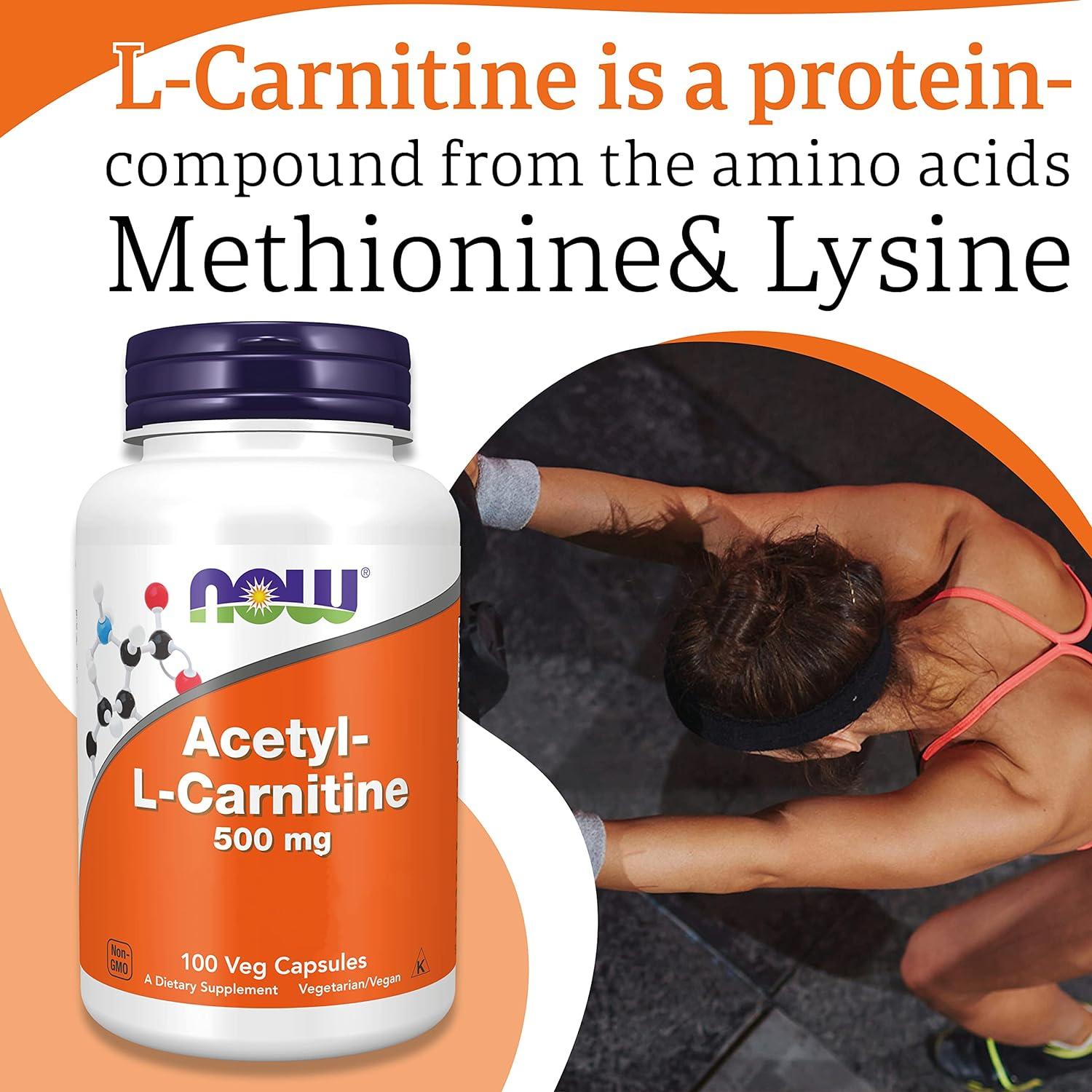
Most studies focus on oral supplements, though, not injections, and results are usually seen alongside diet and exercise changes
FEBS Lett 447, 303306 (1999)